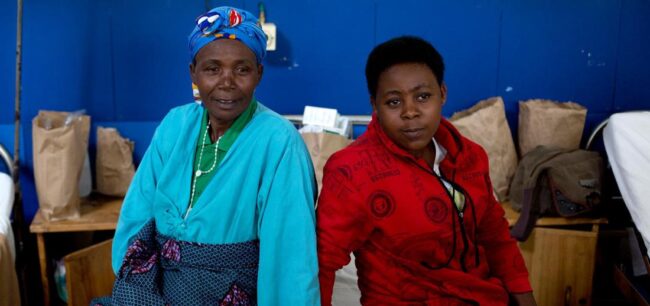
WHO teams with partners to mitigate the potential impact of the COVID-19 pandemic in malaria-affected areas

The rapid spread of COVID-19 is testing the resilience of robust health systems around the world. WHO and its partners are taking measures to mitigate the potential impact of sustained transmission of the coronavirus in malaria-endemic settings – particularly in sub-Saharan Africa, which shoulders more than 90% of the global malaria burden. To date, a…

the-unmet-need-for-social-context-in-family-planning

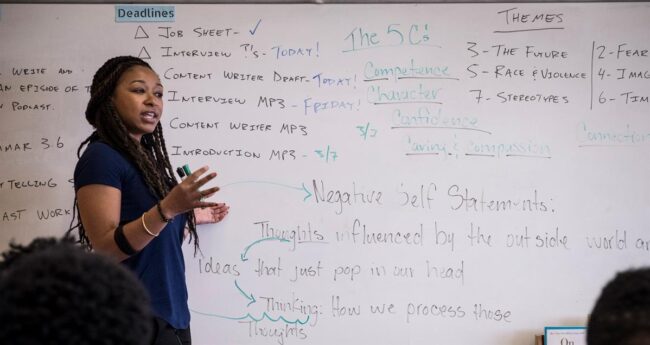
The unmet need for social context in family planning

New evidence on the relationship between sexual health and social context finds a strong association between gender equality, education and family planning Twenty-five years ago, two global events – the International Conference on Population and Development and the Fourth World Conference on Women in Beijing – formally recognized that women’s health and reproductive choices cannot…

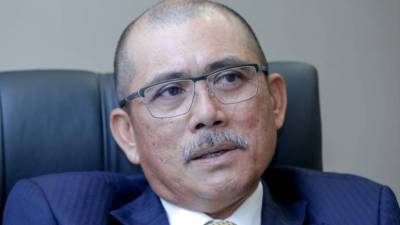
Global gathering of ministers determines road safety agenda to 2030

The 3rd Global Ministerial Conference on Road Safety convened 1700 delegates from around 140 countries, including more than 70 ministers and vice-ministers and heads of international agencies, civil society organizations, foundations and private companies. Hosted at the request of the UN General Assembly by the Government of Sweden in collaboration with WHO, the theme was…

to-eliminate-cervical-cancer-in-the-next-100-years,-implementing-an-effective-strategy-is-critical

To eliminate cervical cancer in the next 100 years, implementing an effective strategy is critical

Vaccination, screening, treatment and palliative care are the key interventions of WHO’s Draft Global Strategy towards the Elimination of Cervical Cancer as a Public Health Problem, the fourth most common cancer in women. On World Cancer Day, new estimates show that this strategy could save more than 62 million girls and women from a cervical…