schistosomiasis-elimination:-refocusing-on-snail-control-to-sustain-progress

Schistosomiasis elimination: refocusing on snail control to sustain progress

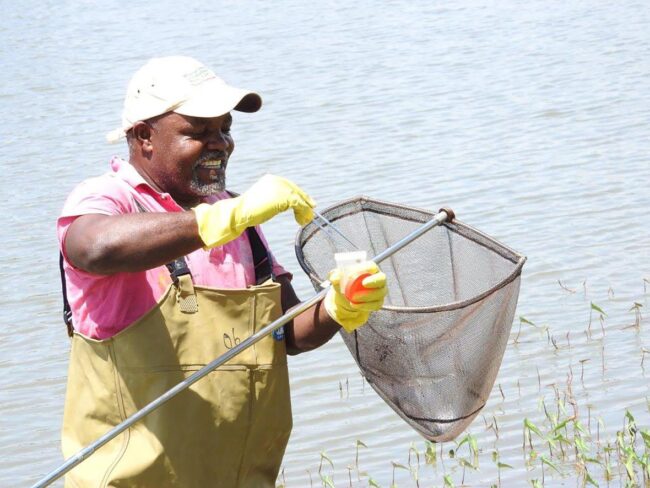
Substantial progress has been made during the past decade to prevent and control schistosomiasis (also known as bilharziasis) globally. The disease affects more than 230 million people, mostly in sub-Saharan Africa. Progress is mainly due to large-scale periodic treatment of affected populations with praziquantel, the only medicine recommended by the World Health Organization (WHO) against…

nist-updates-and-expands-its-flagship-catalog-of-information-system-safeguards

NIST updates and expands its flagship catalog of information system safeguards

After your organization forms a general plan for tackling its cybersecurity and privacy risk management issues, it needs particular state-of-the-art tools to make that plan a reality. Computer security and privacy experts at the National Institute of Standards and Technology (NIST) have the answer with an updated toolbox of safeguards for protecting an organization’s operations…

who-launch-eeml

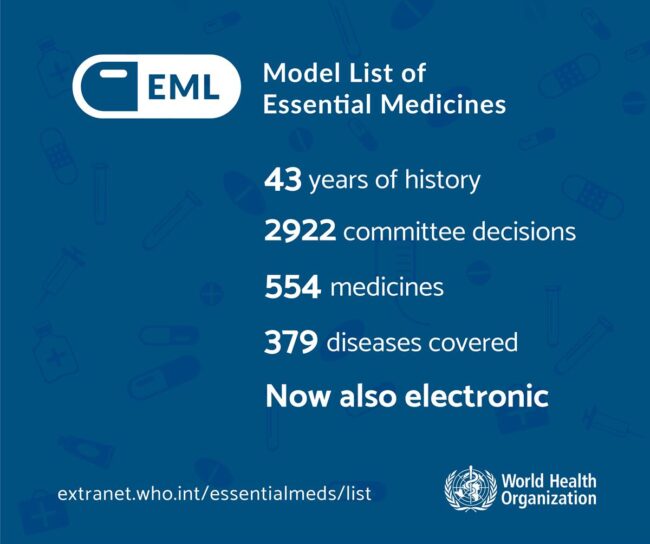
WHO launch eEML

The World Health Organization has launched a new easy-to-access, digital version of its Model list of Essential Medicines (EML). The move will revolutionize the way this core WHO reference tool is used. More than 150 countries currently use the WHO list to work out which medicines best meet their national health contexts and priorities, so they…

to-eliminate-cervical-cancer-in-the-next-100-years,-implementing-an-effective-strategy-is-critical

To eliminate cervical cancer in the next 100 years, implementing an effective strategy is critical

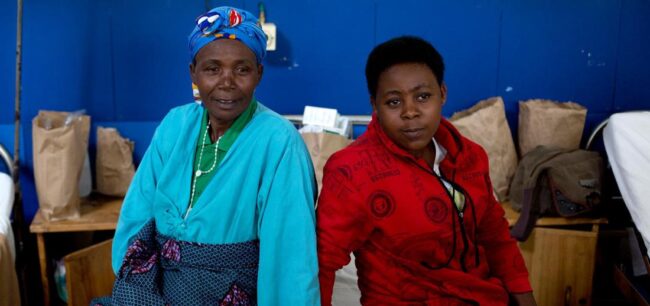
Vaccination, screening, treatment and palliative care are the key interventions of WHO’s Draft Global Strategy towards the Elimination of Cervical Cancer as a Public Health Problem, the fourth most common cancer in women. On World Cancer Day, new estimates show that this strategy could save more than 62 million girls and women from a cervical…