THE SECOND STORY—BABY OYSTERS AND FISH

n studying the story of life among the plants, you will remember that we learned that in most plants the male and female organs of sex were in the same flower. Among the lower forms of animal life, we find both the male and female natures in the same animal. The oyster furnishes a good example. These little animals are surrounded with and fastened to a very hard and heavy shell. These animals live in great masses and their shells are cemented together. Growing in this way they cannot move about, or mix and mingle with each other. The mother parts of the oyster produce little eggs which are fertilized by a substance formed by other organs containing the father nature. The fertilized egg, when laid, floats off and becomes attached to the shell of some oyster on a nearby rock.{ Later, it hatches and the little baby oyster forms about its body a hard shell that is made larger as the little animal grows. In this way the little oysters come into the world. Among the oysters, we find the sam


THE FIRST STORY—BABY PLANTS

When our girls, Fay and Fern, were six and four years of age, they became interested in learning about their coming into the world. Their mamma had told me of their puzzling questions. We agreed that I should tell them a story of life, every six months or a year, until they were nine or ten. Then their mamma should tell them the last story, the story of their life.

happy family

Glossary of Youth: Its Education, Regimen, and Hygiene, by G. Stanley Hall

GLOSSARY AGAMIC. Unmarried; unmarriageable, sometimes non-sexed. AGENIC. Lacking in reproductive power; sterile. AMPHIMIXIS. That form of reproduction which involves the mingling of substance from two individuals so as to effect a mixture of hereditary characteristics. It includes the phenomena of conjugation and fertilization among both unicellular and multicellular organisms. ANABOLISM. See METABOLISM. ANAMNESIC. Pertaining to or aiding…

schistosomiasis-elimination:-refocusing-on-snail-control-to-sustain-progress

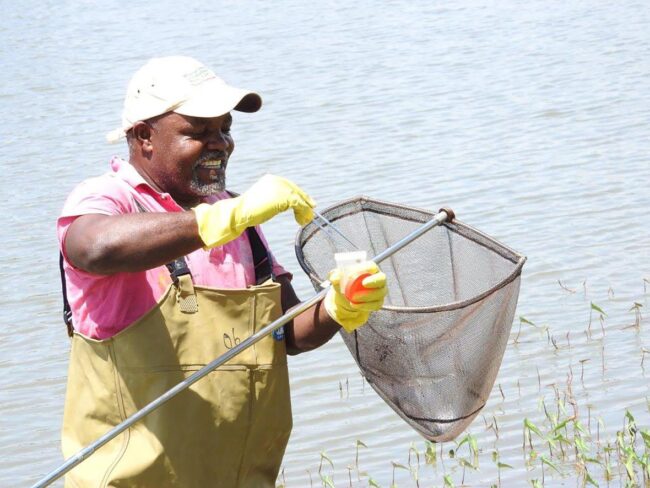
Schistosomiasis elimination: refocusing on snail control to sustain progress

Substantial progress has been made during the past decade to prevent and control schistosomiasis (also known as bilharziasis) globally. The disease affects more than 230 million people, mostly in sub-Saharan Africa. Progress is mainly due to large-scale periodic treatment of affected populations with praziquantel, the only medicine recommended by the World Health Organization (WHO) against…

plants-sprouted-from-seeds-stored-for-decades-in-a-disused-arctic-mine

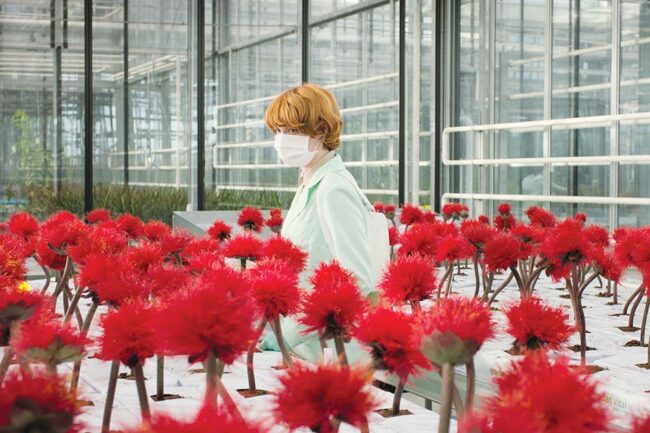
Plants sprouted from seeds stored for decades in a disused Arctic mine

A project started in 1986 aims to test if seeds can be grown after 100 years in storage. Early results show that half the crops retained most of their initial ability to germinate Read More https://www.newscientist.com/article/2236628-plants-sprouted-from-seeds-stored-for-decades-in-a-disused-arctic-mine/?utm_campaign=RSS%7CNSNS&utm_source=NSNS&utm_medium=RSS&utm_content=home Views: 0