Chagas disease: providing free paediatric medicine can enhance diagnosis and treatment

Documentation resulting in the donation of an important antiparasitic medicine for the treatment of Chagas illness to the World Health Organization (WHO) is within the ultimate stage of preparation. A 3-year settlement, between the Mundo Sano Foundation1 (Brazil) and WHO, is anticipated to make obtainable 108 000 tablets of the paediatric formulation of benznidazole2 –…
Medical Product Alert N°3/2020

This Medical Product Alert warns consumers, healthcare professionals, and health authorities against a growing number of falsified medical products that claim to prevent, detect, treat or cure COVID-19.  The Coronavirus disease (COVID-19) pandemic (caused by the virus SARS-CoV-2) has increased demand for medicines, vaccines, diagnostics and reagents, all related to COVID-19, creating an opportunity for…

medical-product-alert-n°2/2020

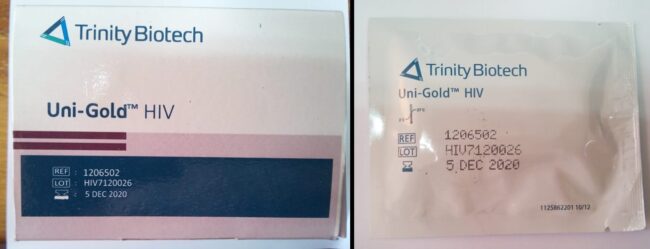
Medical Product Alert N°2/2020

This Medical Product Alert relates to a confirmed falsified human immunodeficiency virus (HIV) in vitro diagnostic medical device (IVD) that has been identified circulating in Guyana and Kenya. Through its Global Surveillance and Monitoring System (GSMS) for substandard/falsified medical products, WHO was informed that at least 8,240 falsified rapid diagnostic tests to detect HIV-1/2 have…

cnd-accepts-all-who-recommendations-on-the-control-of-several-psychoactive-substances-from-the-42nd-ecdd-meeting

CND accepts all WHO recommendations on the control of several psychoactive substances from the 42nd ECDD meeting

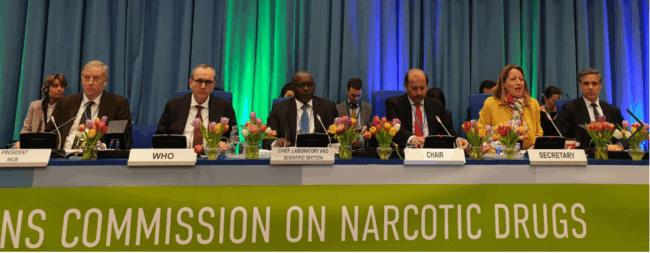
  During its 63rd session, the Commission on Narcotic Drugs (CND) accepted all recommendations from the 42nd meeting of the WHO Expert Committee on Drug Dependence (ECDD). This effectively brings twelve psychoactive substances, including eleven New Psychoactive Substances (NPS) and one medicine, under international control.  Given the potential for dependence or abuse and known adverse…

WHO teams with partners to mitigate the potential impact of the COVID-19 pandemic in malaria-affected areas

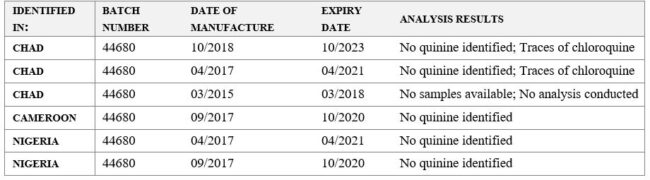
The rapid spread of COVID-19 is testing the resilience of robust health systems around the world. WHO and its partners are taking measures to mitigate the potential impact of sustained transmission of the coronavirus in malaria-endemic settings – particularly in sub-Saharan Africa, which shoulders more than 90% of the global malaria burden. To date, a…