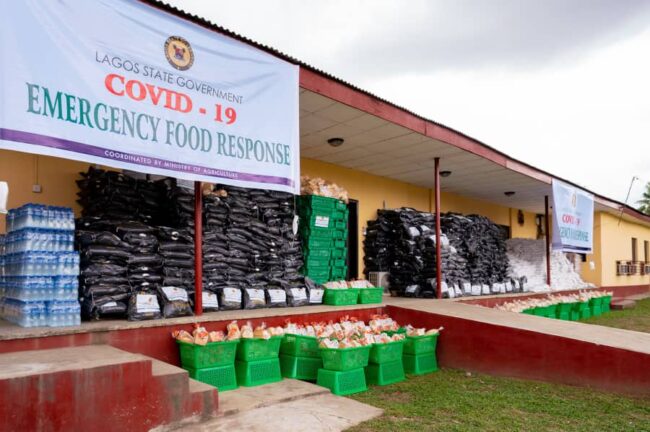
WHO and UNICEF to partner on pandemic response through COVID-19 Solidarity Response Fund

WHO and UNICEF as we speak introduced an settlement to work collectively on COVID-19 response, through the historic COVID-19 Solidarity Response Fund powered by the United Nations Foundation and Swiss Philanthropy Foundation.   The COVID-19 Solidarity Response Fund has been arrange to facilitate an unprecedented world response by supporting the WHO Strategic Preparedness and Response…
Chagas disease: providing free paediatric medicine can enhance diagnosis and treatment

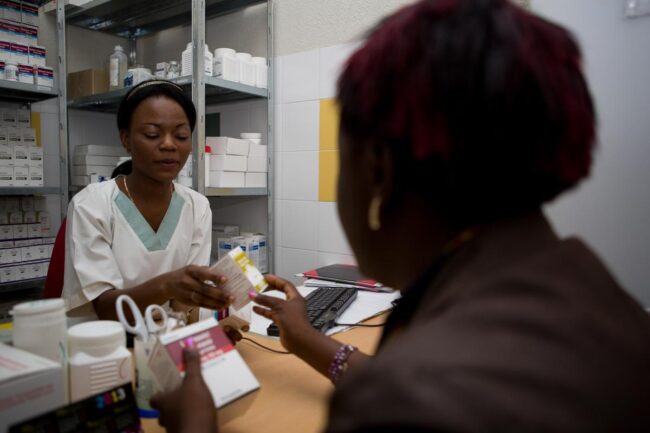
Documentation resulting in the donation of an important antiparasitic medicine for the treatment of Chagas illness to the World Health Organization (WHO) is within the ultimate stage of preparation. A 3-year settlement, between the Mundo Sano Foundation1 (Brazil) and WHO, is anticipated to make obtainable 108 000 tablets of the paediatric formulation of benznidazole2 –…

World Health Worker Week – April  5 – 11, 2020

The COVID-19 pandemic and different international emergencies present us as soon as once more the heroic efforts well being staff on the entrance traces make day-after-day to maintain their communities—and the world—protected and wholesome.  The WHO and the Global Health Workforce Network is happy to associate with civil society companions—the Frontline Health Workers Coalition and…

Joint Statement by QU Dongyu, Tedros Adhanom Ghebreyesus and Roberto Azevedo, Directors-General of the Food and Agriculture Organization of the United Nations (FAO), the World Health Organization (WHO) and the World Trade Organization (WTO)

Millions of people around the world depend on international trade for their food security and livelihoods. As countries move to enact measures aiming to halt the accelerating COVID-19 pandemic, care must be taken to minimise potential impacts on the food supply or unintended consequences on global trade and food security.  When acting to protect the…

schistosomiasis-elimination:-refocusing-on-snail-control-to-sustain-progress

Schistosomiasis elimination: refocusing on snail control to sustain progress

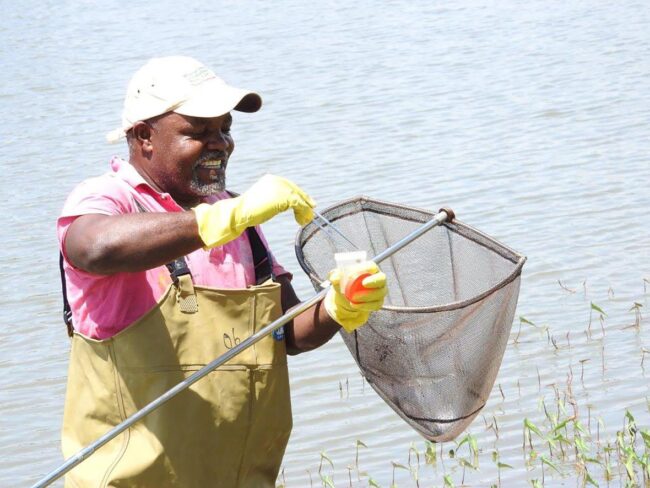
Substantial progress has been made during the past decade to prevent and control schistosomiasis (also known as bilharziasis) globally. The disease affects more than 230 million people, mostly in sub-Saharan Africa. Progress is mainly due to large-scale periodic treatment of affected populations with praziquantel, the only medicine recommended by the World Health Organization (WHO) against…

WHO urges countries to ensure the continuity of malaria services in the context of the COVID-19 pandemic

  The COVID-19 pandemic is testing the resilience of robust health systems around the world. Recognizing the heavy toll that malaria exacts on vulnerable populations in sub-Saharan Africa, as well as the region’s fragile health infrastructure, WHO underlines the critical importance of sustaining efforts to prevent, detect and treat malaria. “As COVID-19 continues its rapid…