schistosomiasis-elimination:-refocusing-on-snail-control-to-sustain-progress

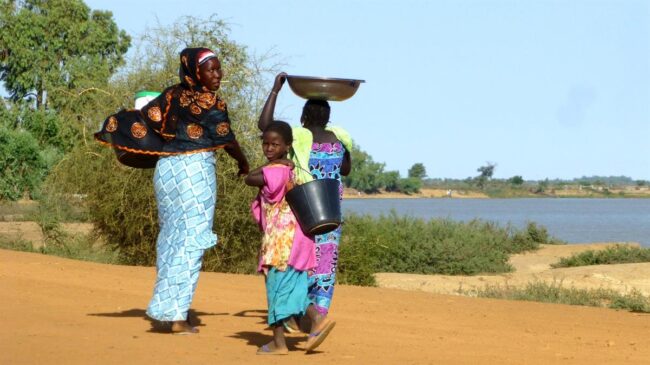
Schistosomiasis elimination: refocusing on snail control to sustain progress

Substantial progress has been made during the past decade to prevent and control schistosomiasis (also known as bilharziasis) globally. The disease affects more than 230 million people, mostly in sub-Saharan Africa. Progress is mainly due to large-scale periodic treatment of affected populations with praziquantel, the only medicine recommended by the World Health Organization (WHO) against…
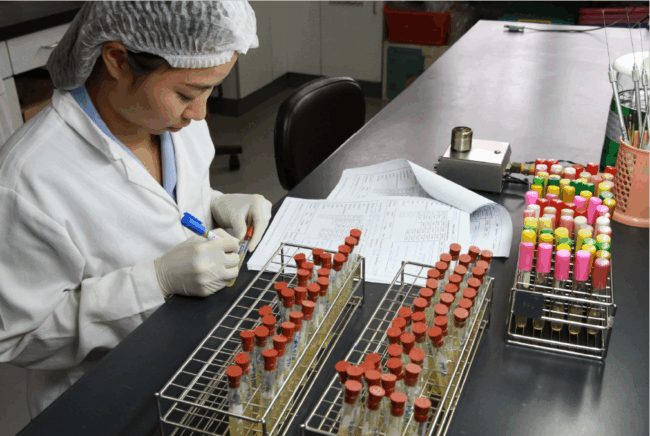
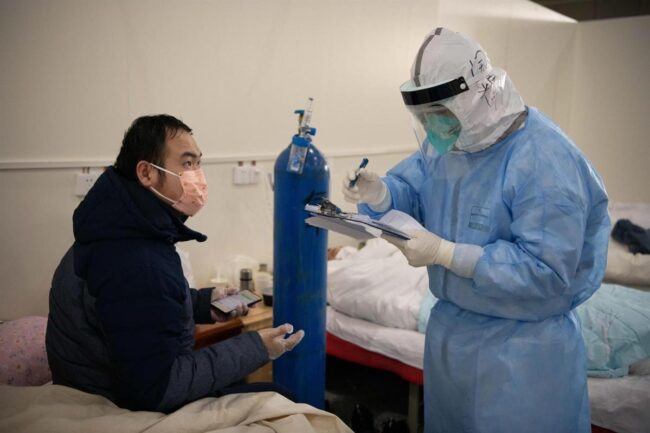
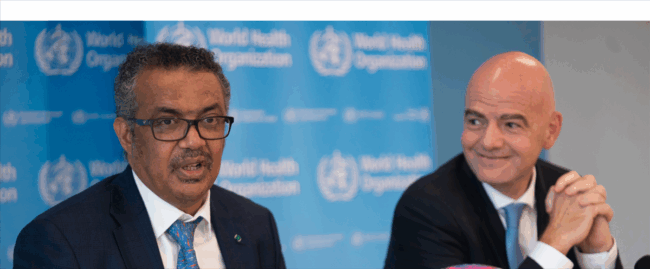
WHO urges countries to ensure the continuity of malaria services in the context of the COVID-19 pandemic

  The COVID-19 pandemic is testing the resilience of robust health systems around the world. Recognizing the heavy toll that malaria exacts on vulnerable populations in sub-Saharan Africa, as well as the region’s fragile health infrastructure, WHO underlines the critical importance of sustaining efforts to prevent, detect and treat malaria. “As COVID-19 continues its rapid…

New WHO recommendations to prevent tuberculosis aim to save millions of lives

Geneva –  New World Health Organization (WHO) guidance will help countries accelerate efforts to stop people with tuberculosis (TB) infection becoming sick with TB by giving them preventive treatment. A quarter of the world‘s population is estimated to be infected with TB bacteria. These people are neither sick nor contagious. However, they are at greater…

dracunculiasis-eradication:-intensifying-surveillance-amid-continued-zero-human-cases-in-ethiopia-and-mali

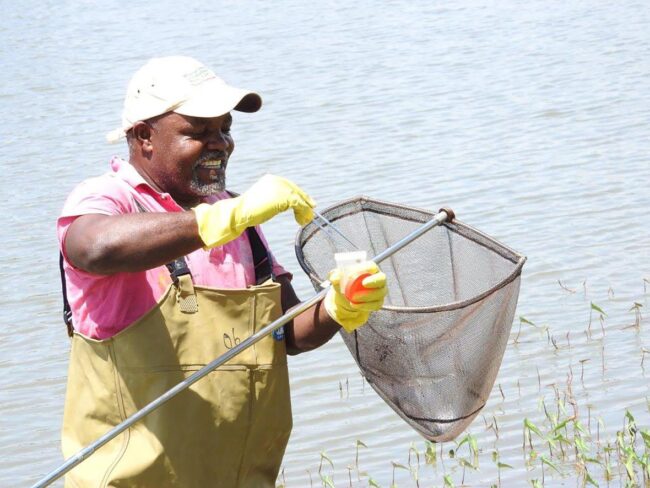
Dracunculiasis eradication: intensifying surveillance amid continued zero human cases in Ethiopia and Mali

A total of 54 human cases of dracunculiasis (guinea-worm disease) were reported to the World Health Organization (WHO) in 2019, with Chad reporting 48 out of the 54 cases. In Chad, Ethiopia, Mali and South Sudan, trained volunteers are supporting surveillance and detection of infections in domestic dogs and cats. Surveillance has been heightened, as…

cnd-accepts-all-who-recommendations-on-the-control-of-several-psychoactive-substances-from-the-42nd-ecdd-meeting

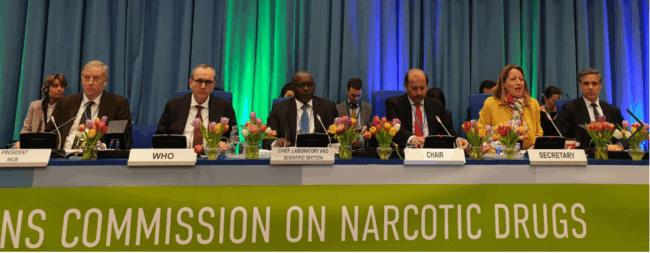
CND accepts all WHO recommendations on the control of several psychoactive substances from the 42nd ECDD meeting

  During its 63rd session, the Commission on Narcotic Drugs (CND) accepted all recommendations from the 42nd meeting of the WHO Expert Committee on Drug Dependence (ECDD). This effectively brings twelve psychoactive substances, including eleven New Psychoactive Substances (NPS) and one medicine, under international control.  Given the potential for dependence or abuse and known adverse…