who-releases-guidelines-to-help-countries-maintain-essential-health-services-during-the-covid-19-pandemic

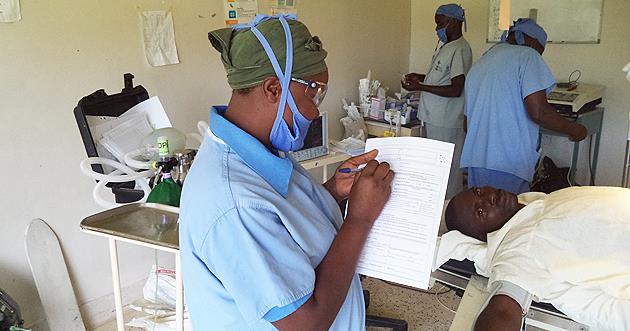
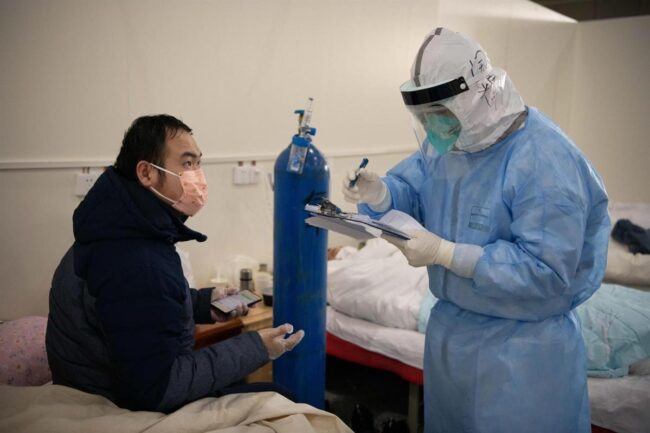
WHO releases guidelines to help countries maintain essential health services during the COVID-19 pandemic

The COVID-19 pandemic is straining health systems worldwide. The rapidly increasing demand on health facilities and health care workers threatens to leave some health systems overstretched and unable to operate effectively. Previous outbreaks have demonstrated that when health systems are overwhelmed, mortality from vaccine-preventable and other treatable conditions can also increase dramatically. During the 2014-2015…

schistosomiasis-elimination:-refocusing-on-snail-control-to-sustain-progress

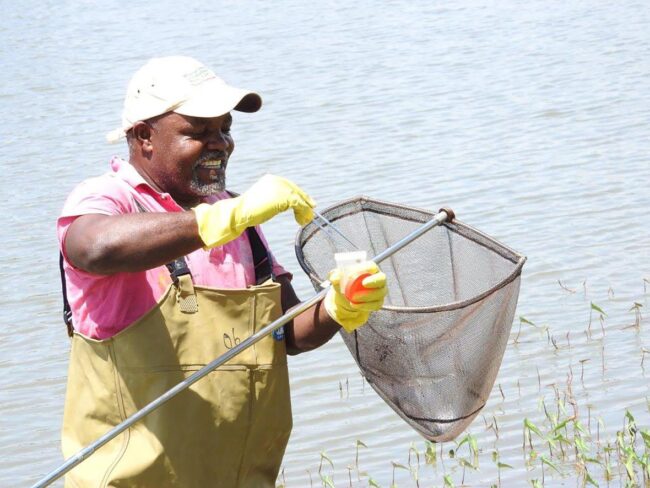
Schistosomiasis elimination: refocusing on snail control to sustain progress

Substantial progress has been made during the past decade to prevent and control schistosomiasis (also known as bilharziasis) globally. The disease affects more than 230 million people, mostly in sub-Saharan Africa. Progress is mainly due to large-scale periodic treatment of affected populations with praziquantel, the only medicine recommended by the World Health Organization (WHO) against…

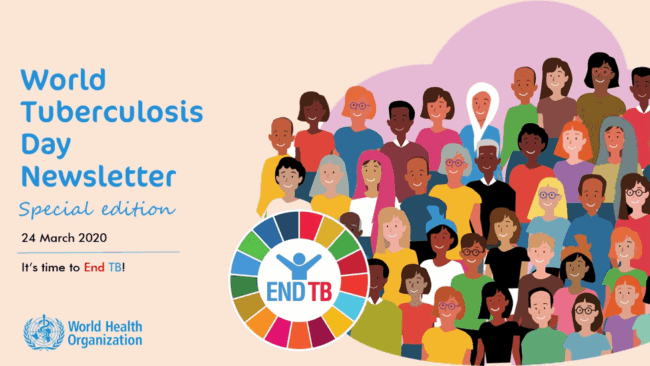
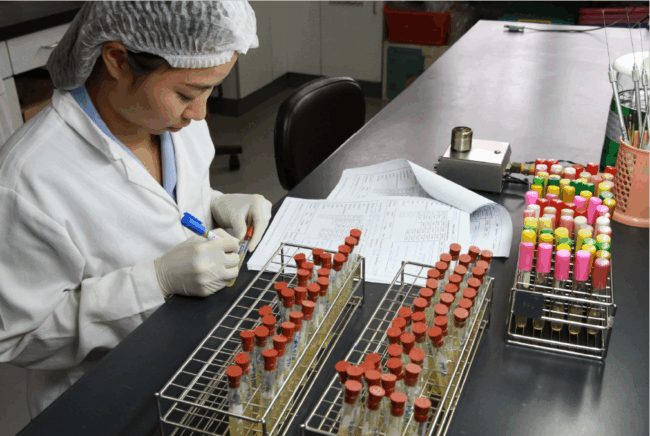
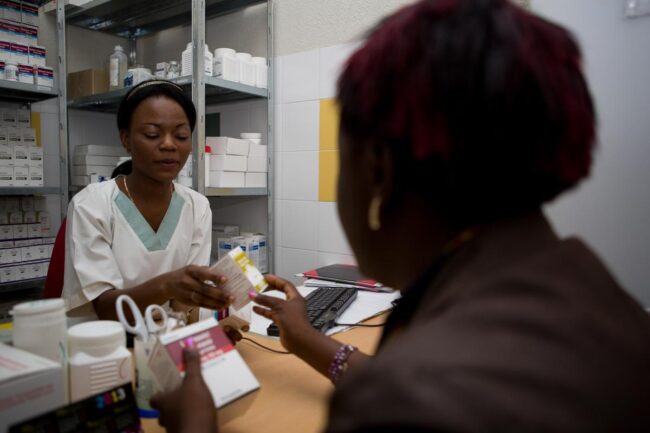
WHO urges countries to ensure the continuity of malaria services in the context of the COVID-19 pandemic

  The COVID-19 pandemic is testing the resilience of robust health systems around the world. Recognizing the heavy toll that malaria exacts on vulnerable populations in sub-Saharan Africa, as well as the region’s fragile health infrastructure, WHO underlines the critical importance of sustaining efforts to prevent, detect and treat malaria. “As COVID-19 continues its rapid…